Capturing moments through photography has long been a cherished pastime for many individuals around the world. From professional photographers to hobbyists, the art of taking pictures allows us to freeze time and preserve memories. However, beyond its artistic and recreational value, photography also plays a significant role in economic welfare theory.
Category : | Sub Category : Posted on 2025-11-03 22:25:23
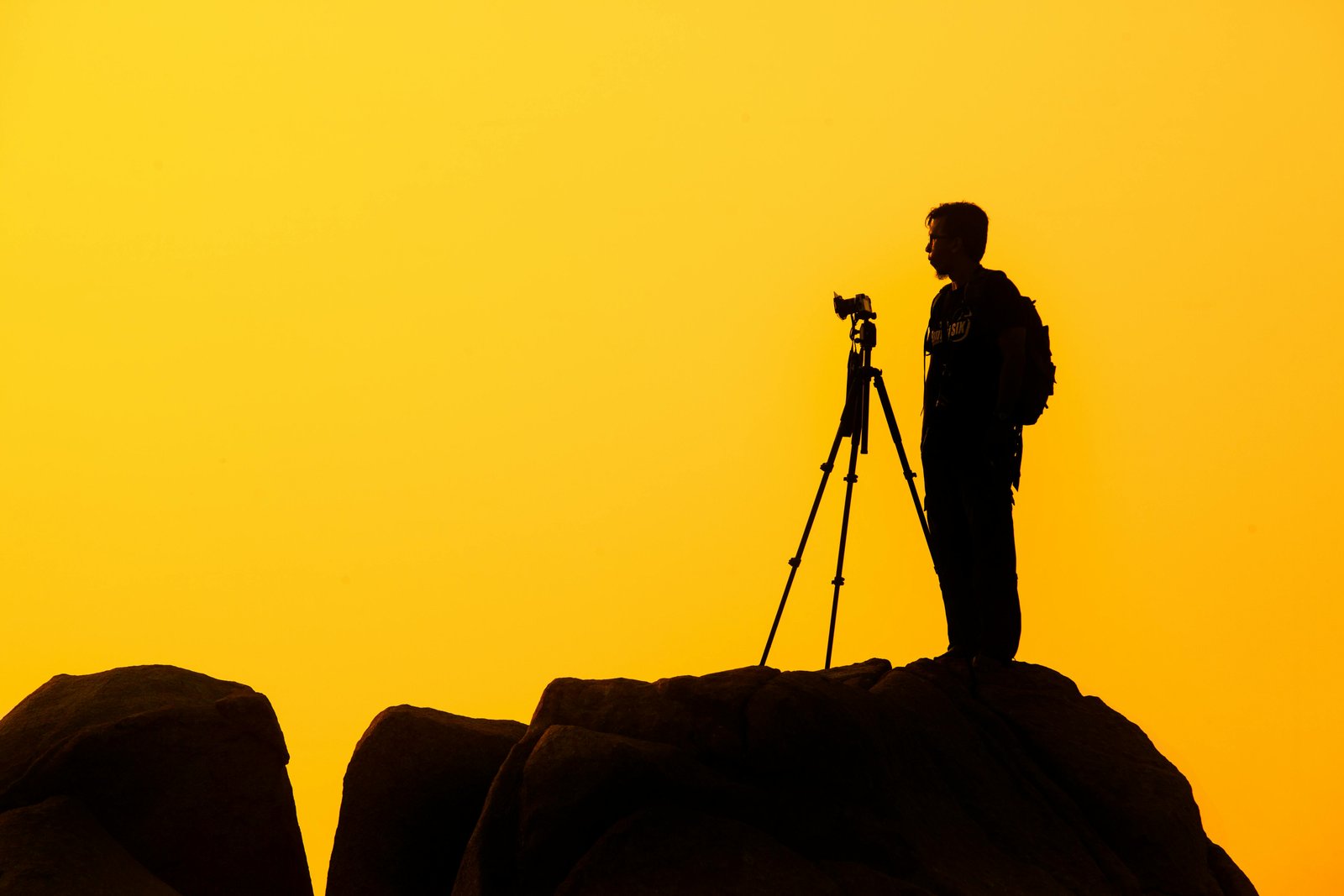
In economic welfare theory, Photography is recognized as a valuable tool for measuring and documenting the well-being of society. By capturing images of people, places, events, and objects, photographers provide valuable data that can be used to analyze various aspects of economic welfare. One way in which photography contributes to economic welfare theory is through the documentation of social and economic conditions. Photographs can shed light on issues such as poverty, inequality, housing conditions, and environmental sustainability. By visually depicting these realities, photographers can raise awareness and foster discussions on how to improve economic welfare in society. Photography also plays a role in promoting tourism and economic development. Stunning images of landscapes, cultural heritage sites, and local attractions can attract tourists and investors, ultimately boosting the economy of a region. In this way, photography serves as a powerful marketing tool that showcases the unique features and attractions of a destination. Furthermore, photography can also be a source of income for individuals and businesses. Professional photographers can sell their images to media outlets, stock photo agencies, and clients for various purposes such as advertising, editorial content, and marketing campaigns. In this way, photography contributes to the economic welfare of photographers and the larger creative industry. In conclusion, photography is not just a form of artistic expression but also a valuable tool in economic welfare theory. Through documenting social and economic conditions, promoting tourism, and generating income, photography plays a multifaceted role in contributing to the well-being of society. Next time you pick up a camera to capture a moment, remember the economic impact that your photographs can have.
Leave a Comment:
SEARCH
Recent News
- Zurich, the largest city in Switzerland, is known for its stunning beauty, historic charm, and vibrant culture. From its picturesque old town to its modern architecture, Zurich is a photographer's paradise. Here are some breathtaking Zurich, Switzerland pictures that showcase the city's unique charm.
- Zurich, Switzerland is a beautiful city that offers a plethora of photographic opportunities for both amateur and professional photographers. From stunning architecture to scenic landscapes, Zurich has something to offer for every photography enthusiast.
- Zurich, Switzerland is well-known for its stunning beauty and picturesque landscapes. Many visitors flock to this bustling city to soak in its rich culture and stunning architecture. One aspect of Zurich that often captivates visitors is its vibrant art scene, with many opportunities to engage in various forms of art and creativity.
- YouTube Content Creation and Translation: A Picture-Perfect Approach
- YouTube Content Creation and Translation in Photography
- YouTube Content Creation and Translation in Image Processing
- Creating eye-catching thumbnails for your YouTube channel can be the key to attracting viewers and increasing engagement with your content. Thumbnails are the first thing potential viewers see when browsing through videos, so it's important to make them visually appealing and intriguing. Here are some tips for creating great YouTube channel pictures that will help you stand out and make a strong impression:
- Photography has become more accessible than ever before, thanks to the rise of online platforms like YouTube. There are a plethora of YouTube channels dedicated to photography, catering to all skill levels and interests, making it easier for enthusiasts and professionals to improve their craft.
READ MORE
10 months ago Category :

Zurich, the largest city in Switzerland, is known for its stunning beauty, historic charm, and vibrant culture. From its picturesque old town to its modern architecture, Zurich is a photographer's paradise. Here are some breathtaking Zurich, Switzerland pictures that showcase the city's unique charm.
Read More →10 months ago Category :

Zurich, Switzerland is a beautiful city that offers a plethora of photographic opportunities for both amateur and professional photographers. From stunning architecture to scenic landscapes, Zurich has something to offer for every photography enthusiast.
Read More →10 months ago Category :

Zurich, Switzerland is well-known for its stunning beauty and picturesque landscapes. Many visitors flock to this bustling city to soak in its rich culture and stunning architecture. One aspect of Zurich that often captivates visitors is its vibrant art scene, with many opportunities to engage in various forms of art and creativity.
Read More →10 months ago Category :
