Enhancing Guitar Images with Image Processing Techniques
Category : | Sub Category : Posted on 2025-11-03 22:25:23
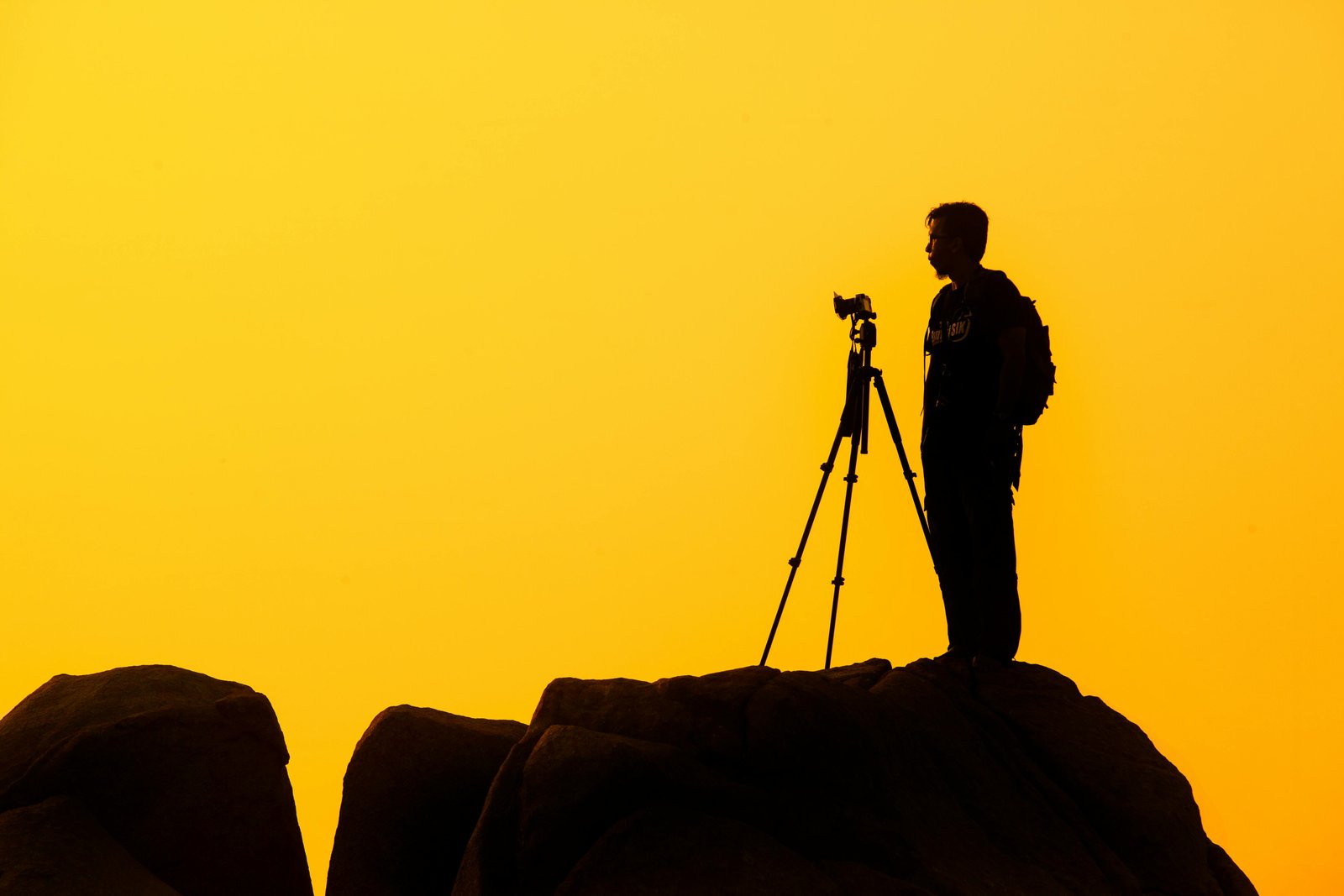
Introduction guitars are not only instruments that produce beautiful music but also visual works of art. Capturing the intricate details and unique features of guitars through photography can be a rewarding but challenging task. In this blog post, we will explore how Image processing techniques can be used to enhance guitar images, bringing out their beauty and character in new and creative ways. 1. Image Enhancement Image enhancement techniques can be used to improve the overall quality of guitar images. This can involve adjusting the brightness, contrast, and color balance to make the details of the guitar stand out more prominently. By applying techniques such as histogram equalization, sharpening, and noise reduction, the image quality can be significantly improved, resulting in a more visually appealing guitar photo. 2. Background Removal Removing the background from a guitar image can help to isolate the subject and create a more striking visual impact. Image processing algorithms such as background subtraction and chroma keying can be used to accurately separate the guitar from its background, allowing it to take center stage in the image. This can be particularly useful when showcasing the intricate design details of the guitar or creating promotional materials for music-related products. 3. Image Filters and Effects Image filters and effects can add a creative touch to guitar images, giving them a unique and artistic flair. Filters such as blur, sepia tone, and vignetting can be applied to create different moods and aesthetics in the image. Additionally, effects like pixelation, distortion, and artistic brush strokes can be used to add a playful or experimental element to the guitar photo, making it stand out from conventional images. 4. Image Segmentation Image segmentation techniques can be used to partition a guitar image into distinct regions based on color, texture, or other visual attributes. This can be helpful in highlighting specific parts of the guitar, such as the body, neck, or strings, and emphasizing their unique characteristics. By segmenting the image, different processing techniques can be applied to each region individually, allowing for more targeted and effective enhancements. 5. Image Composite Image compositing involves merging multiple images or elements together to create a new and cohesive visual composition. In the context of guitar images, this technique can be used to combine different views or angles of the guitar, create surreal or abstract compositions, or add graphical elements such as text or logos. By creatively blending various elements together, a more dynamic and visually engaging guitar image can be achieved. Conclusion In conclusion, image processing techniques offer a wide range of tools and possibilities for enhancing guitar images and unleashing their full visual potential. Whether it's improving image quality, removing backgrounds, adding filters and effects, segmenting the image, or creating composite compositions, these techniques can help capture the beauty and artistry of guitars in new and exciting ways. By experimenting with different processing methods, photographers and digital artists can elevate their guitar photography to new heights and create captivating visuals that resonate with viewers. Seeking more information? The following has you covered. https://www.joysound.org
Leave a Comment:
SEARCH
Recent News
- Zurich, the largest city in Switzerland, is known for its stunning beauty, historic charm, and vibrant culture. From its picturesque old town to its modern architecture, Zurich is a photographer's paradise. Here are some breathtaking Zurich, Switzerland pictures that showcase the city's unique charm.
- Zurich, Switzerland is a beautiful city that offers a plethora of photographic opportunities for both amateur and professional photographers. From stunning architecture to scenic landscapes, Zurich has something to offer for every photography enthusiast.
- Zurich, Switzerland is well-known for its stunning beauty and picturesque landscapes. Many visitors flock to this bustling city to soak in its rich culture and stunning architecture. One aspect of Zurich that often captivates visitors is its vibrant art scene, with many opportunities to engage in various forms of art and creativity.
- YouTube Content Creation and Translation: A Picture-Perfect Approach
- YouTube Content Creation and Translation in Photography
- YouTube Content Creation and Translation in Image Processing
- Creating eye-catching thumbnails for your YouTube channel can be the key to attracting viewers and increasing engagement with your content. Thumbnails are the first thing potential viewers see when browsing through videos, so it's important to make them visually appealing and intriguing. Here are some tips for creating great YouTube channel pictures that will help you stand out and make a strong impression:
- Photography has become more accessible than ever before, thanks to the rise of online platforms like YouTube. There are a plethora of YouTube channels dedicated to photography, catering to all skill levels and interests, making it easier for enthusiasts and professionals to improve their craft.
READ MORE
10 months ago Category :

Zurich, the largest city in Switzerland, is known for its stunning beauty, historic charm, and vibrant culture. From its picturesque old town to its modern architecture, Zurich is a photographer's paradise. Here are some breathtaking Zurich, Switzerland pictures that showcase the city's unique charm.
Read More →10 months ago Category :

Zurich, Switzerland is a beautiful city that offers a plethora of photographic opportunities for both amateur and professional photographers. From stunning architecture to scenic landscapes, Zurich has something to offer for every photography enthusiast.
Read More →10 months ago Category :

Zurich, Switzerland is well-known for its stunning beauty and picturesque landscapes. Many visitors flock to this bustling city to soak in its rich culture and stunning architecture. One aspect of Zurich that often captivates visitors is its vibrant art scene, with many opportunities to engage in various forms of art and creativity.
Read More →10 months ago Category :
