Industrial automation is a rapidly growing field that is revolutionizing the way manufacturing processes are carried out. One key aspect of industrial automation is image processing, which involves the use of cameras and software to analyze and interpret images in real-time. This technology plays a crucial role in ensuring efficient and accurate production processes in a variety of industries.
Category : | Sub Category : Posted on 2025-11-03 22:25:23
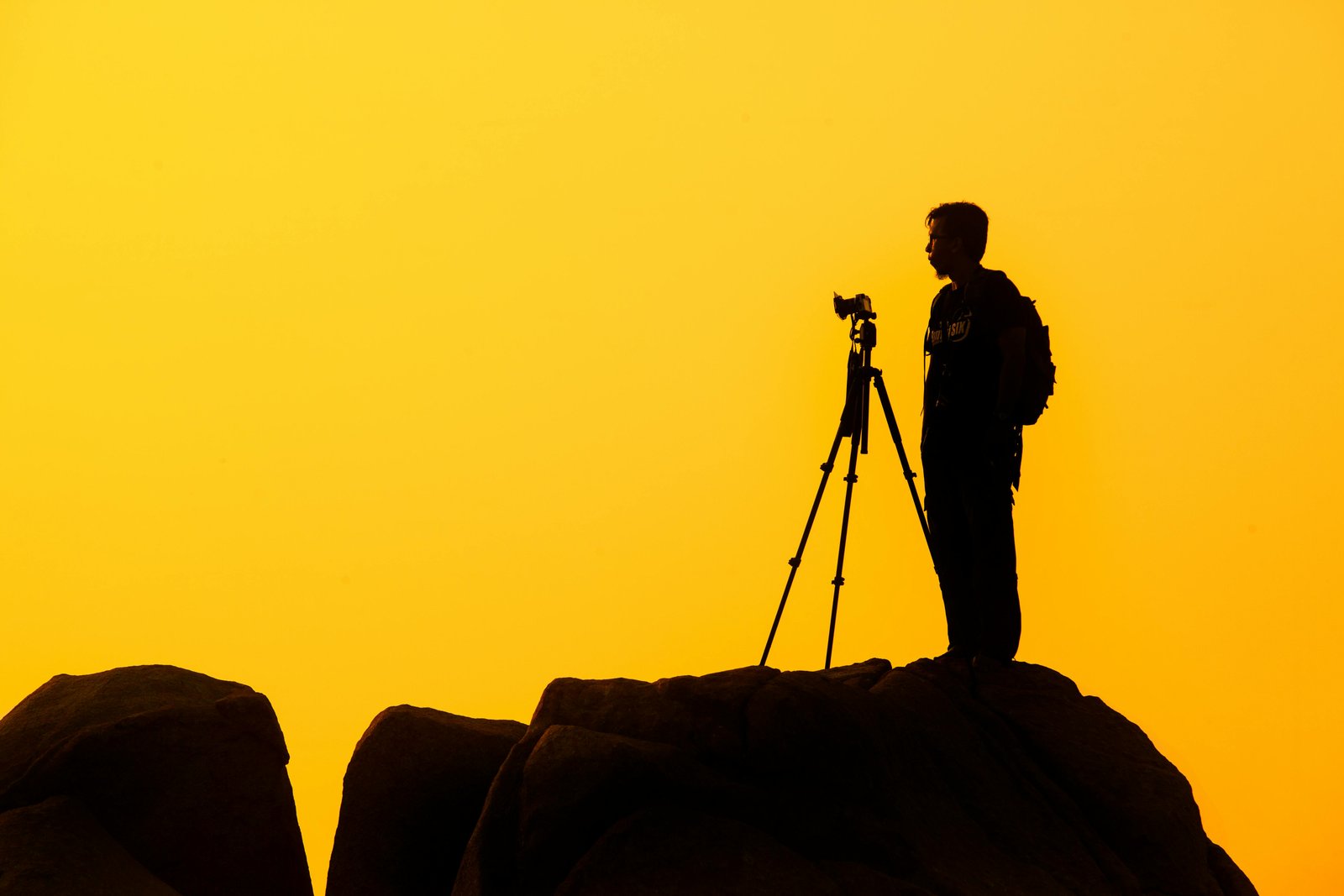
image processing in industrial automation involves the use of cameras to capture images of products or components as they move along a production line. These images are then analyzed by specialized software that can identify defects, measure dimensions, or classify products based on specific characteristics. This data is then used to make real-time decisions that can improve quality control, increase productivity, and reduce costs. One common application of image processing in industrial automation is quality control. By analyzing images of products, manufacturers can quickly identify defects or imperfections that may not be visible to the naked eye. This allows for faulty products to be removed from the production line before they reach the end consumer, ensuring a high level of quality and customer satisfaction. Image processing is also used in industrial automation for tasks such as object recognition and tracking. For example, in a robotic assembly line, cameras can be used to identify and locate components as they move along the line. This information can then be used to guide robotic arms to pick up and place the components in the correct position, increasing the speed and accuracy of the assembly process. Overall, image processing plays a crucial role in industrial automation by providing valuable data and insights that can help manufacturers improve their processes and products. As technology continues to advance, we can expect to see even more innovative applications of image processing in industrial automation that will further streamline manufacturing processes and drive efficiency.
Leave a Comment:
SEARCH
Recent News
- Zurich, the largest city in Switzerland, is known for its stunning beauty, historic charm, and vibrant culture. From its picturesque old town to its modern architecture, Zurich is a photographer's paradise. Here are some breathtaking Zurich, Switzerland pictures that showcase the city's unique charm.
- Zurich, Switzerland is a beautiful city that offers a plethora of photographic opportunities for both amateur and professional photographers. From stunning architecture to scenic landscapes, Zurich has something to offer for every photography enthusiast.
- Zurich, Switzerland is well-known for its stunning beauty and picturesque landscapes. Many visitors flock to this bustling city to soak in its rich culture and stunning architecture. One aspect of Zurich that often captivates visitors is its vibrant art scene, with many opportunities to engage in various forms of art and creativity.
- YouTube Content Creation and Translation: A Picture-Perfect Approach
- YouTube Content Creation and Translation in Photography
- YouTube Content Creation and Translation in Image Processing
- Creating eye-catching thumbnails for your YouTube channel can be the key to attracting viewers and increasing engagement with your content. Thumbnails are the first thing potential viewers see when browsing through videos, so it's important to make them visually appealing and intriguing. Here are some tips for creating great YouTube channel pictures that will help you stand out and make a strong impression:
- Photography has become more accessible than ever before, thanks to the rise of online platforms like YouTube. There are a plethora of YouTube channels dedicated to photography, catering to all skill levels and interests, making it easier for enthusiasts and professionals to improve their craft.
READ MORE
10 months ago Category :

Zurich, the largest city in Switzerland, is known for its stunning beauty, historic charm, and vibrant culture. From its picturesque old town to its modern architecture, Zurich is a photographer's paradise. Here are some breathtaking Zurich, Switzerland pictures that showcase the city's unique charm.
Read More →10 months ago Category :

Zurich, Switzerland is a beautiful city that offers a plethora of photographic opportunities for both amateur and professional photographers. From stunning architecture to scenic landscapes, Zurich has something to offer for every photography enthusiast.
Read More →10 months ago Category :

Zurich, Switzerland is well-known for its stunning beauty and picturesque landscapes. Many visitors flock to this bustling city to soak in its rich culture and stunning architecture. One aspect of Zurich that often captivates visitors is its vibrant art scene, with many opportunities to engage in various forms of art and creativity.
Read More →10 months ago Category :
