Industrial automation photography captures the intricacies and precision of manufacturing processes through visually appealing images. This niche area of photography focuses on capturing the sophistication and technology behind automated systems that drive modern industries.
Category : | Sub Category : Posted on 2025-11-03 22:25:23
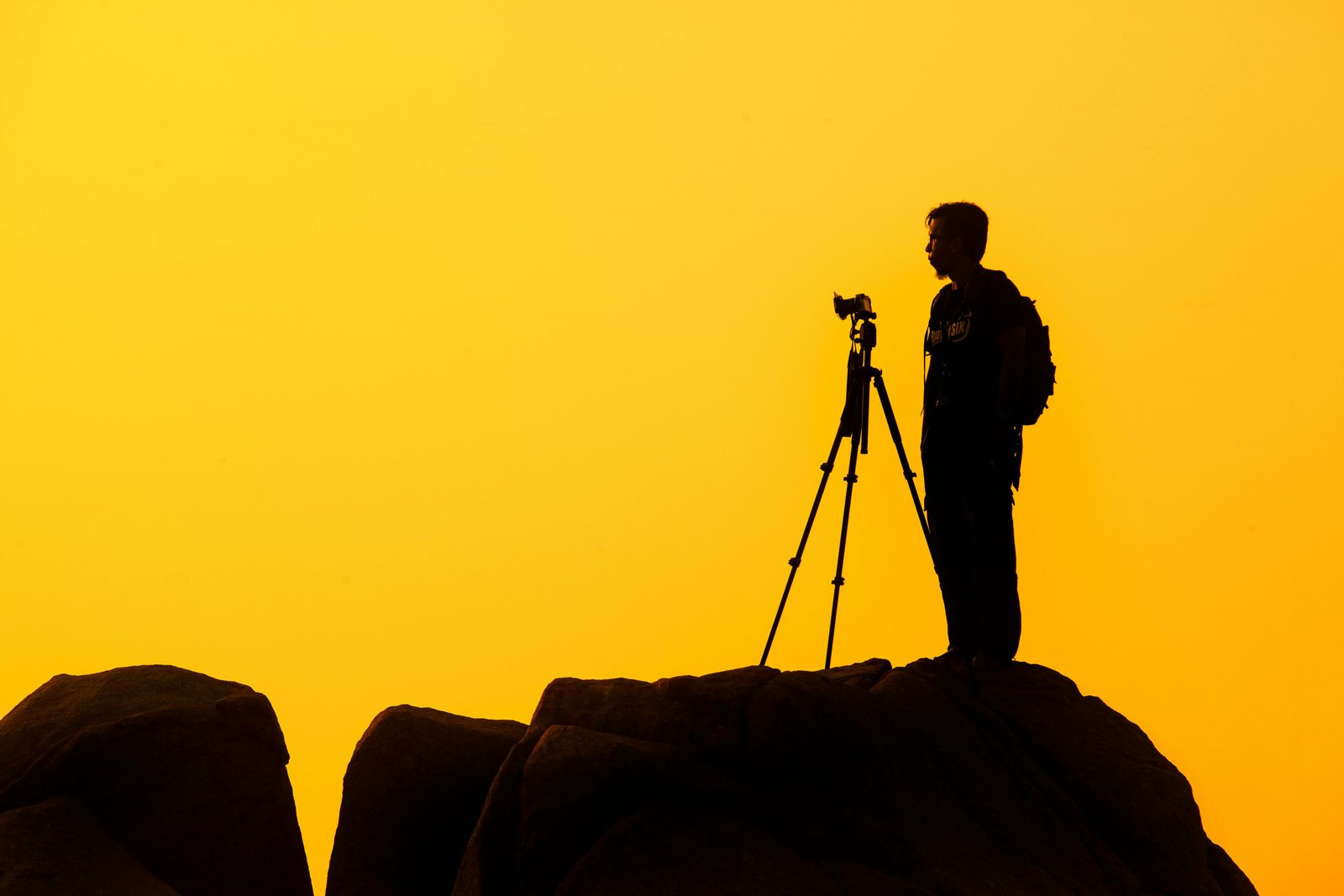
Industrial automation photography plays a crucial role in showcasing the advancements in technology and machinery that are revolutionizing the way products are manufactured. By visually documenting automated processes, photographers provide a window into the world of robotics, artificial intelligence, and machine learning that are transforming the industrial landscape. One of the key challenges of industrial automation photography is capturing the fast-paced movements and complex interactions of machines in operation. Photographers must have a keen understanding of the machinery and processes they are capturing to anticipate the best angles and moments to immortalize. Lighting is another crucial aspect of industrial automation photography. Creating well-lit images in the often dimly lit environments of manufacturing plants requires skill and creativity. Photographers must know how to work with natural light, artificial lighting, and high-speed flash to highlight the intricate details of the automated systems. Composition and framing are essential in industrial automation photography to convey the scale and complexity of the machinery being photographed. Utilizing leading lines, symmetry, and patterns can create visually striking images that draw the viewer into the world of industrial automation. In addition to capturing the technological aspects of automation, industrial automation photography also focuses on the human element. Images of engineers, technicians, and workers interacting with the machines humanize the industrial process and provide context to the viewer. Overall, industrial automation photography is a fascinating and dynamic field that combines technology, artistry, and storytelling. Through compelling images, industrial automation photographers play a vital role in documenting the evolution of manufacturing processes and showcasing the beauty and innovation behind automated systems.
Leave a Comment:
SEARCH
Recent News
- Zurich, the largest city in Switzerland, is known for its stunning beauty, historic charm, and vibrant culture. From its picturesque old town to its modern architecture, Zurich is a photographer's paradise. Here are some breathtaking Zurich, Switzerland pictures that showcase the city's unique charm.
- Zurich, Switzerland is a beautiful city that offers a plethora of photographic opportunities for both amateur and professional photographers. From stunning architecture to scenic landscapes, Zurich has something to offer for every photography enthusiast.
- Zurich, Switzerland is well-known for its stunning beauty and picturesque landscapes. Many visitors flock to this bustling city to soak in its rich culture and stunning architecture. One aspect of Zurich that often captivates visitors is its vibrant art scene, with many opportunities to engage in various forms of art and creativity.
- YouTube Content Creation and Translation: A Picture-Perfect Approach
- YouTube Content Creation and Translation in Photography
- YouTube Content Creation and Translation in Image Processing
- Creating eye-catching thumbnails for your YouTube channel can be the key to attracting viewers and increasing engagement with your content. Thumbnails are the first thing potential viewers see when browsing through videos, so it's important to make them visually appealing and intriguing. Here are some tips for creating great YouTube channel pictures that will help you stand out and make a strong impression:
- Photography has become more accessible than ever before, thanks to the rise of online platforms like YouTube. There are a plethora of YouTube channels dedicated to photography, catering to all skill levels and interests, making it easier for enthusiasts and professionals to improve their craft.
READ MORE
10 months ago Category :

Zurich, the largest city in Switzerland, is known for its stunning beauty, historic charm, and vibrant culture. From its picturesque old town to its modern architecture, Zurich is a photographer's paradise. Here are some breathtaking Zurich, Switzerland pictures that showcase the city's unique charm.
Read More →10 months ago Category :

Zurich, Switzerland is a beautiful city that offers a plethora of photographic opportunities for both amateur and professional photographers. From stunning architecture to scenic landscapes, Zurich has something to offer for every photography enthusiast.
Read More →10 months ago Category :

Zurich, Switzerland is well-known for its stunning beauty and picturesque landscapes. Many visitors flock to this bustling city to soak in its rich culture and stunning architecture. One aspect of Zurich that often captivates visitors is its vibrant art scene, with many opportunities to engage in various forms of art and creativity.
Read More →10 months ago Category :
