Nanotechnology Photography: Exploring the World at a Molecular Level
Category : | Sub Category : Posted on 2025-11-03 22:25:23
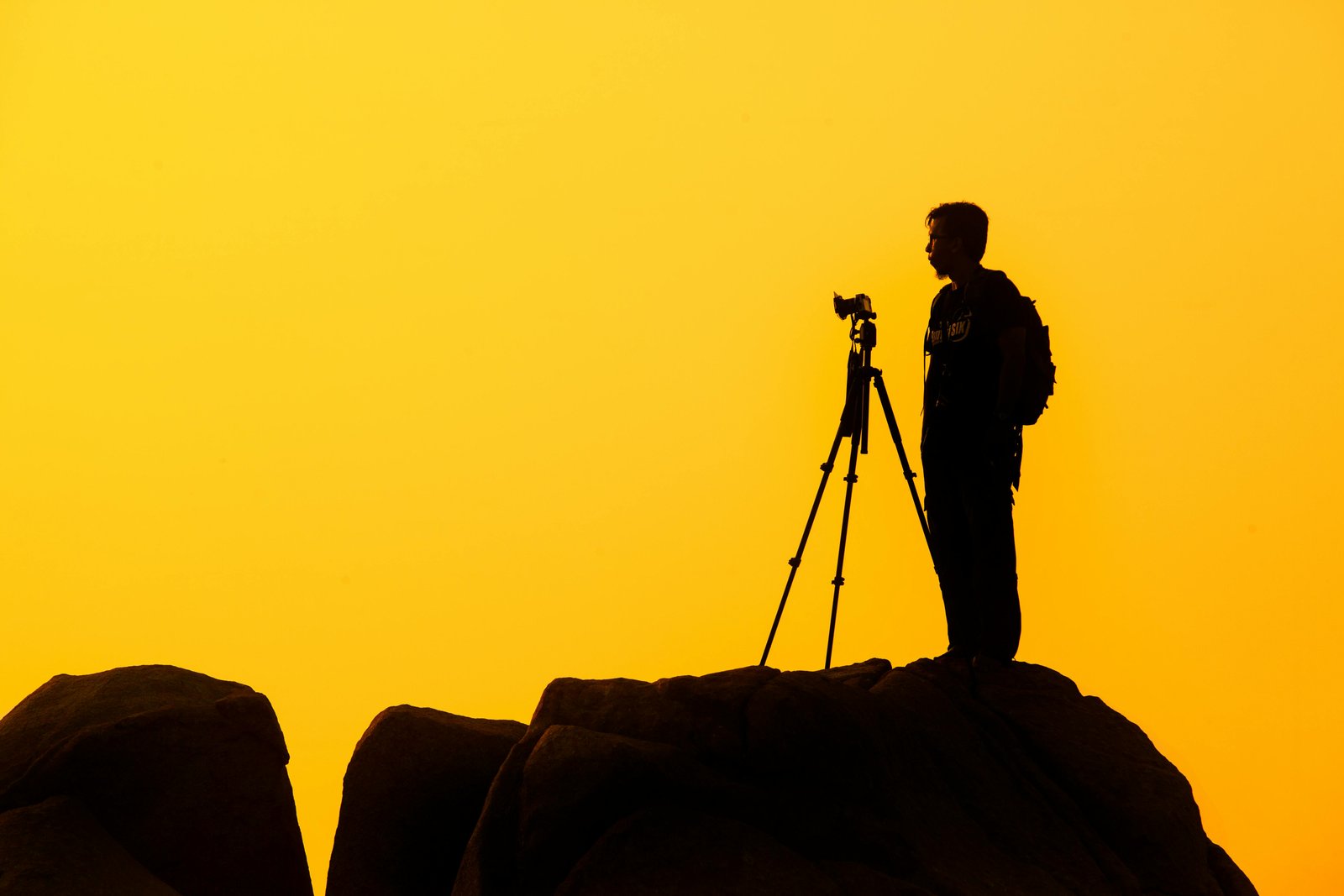
nanotechnology, the science of manipulating matter at the atomic and molecular scale, has revolutionized various industries, including photography. The marriage of nanotechnology and photography has opened up a world of possibilities for capturing images with unprecedented clarity, precision, and detail. In this blog post, we will delve into the fascinating realm of nanotechnology photography and explore how it is reshaping the way we see and interact with the world around us. One of the key applications of nanotechnology in photography is the development of nanostructured materials that enhance light absorption and manipulation. By engineering surfaces at the nanoscale, researchers can create structures that can control the behavior of light, leading to improved image quality and resolution. For example, nanostructured lenses can reduce optical distortions and enhance the sharpness of images, allowing photographers to capture scenes with exceptional clarity. Another exciting development in nanotechnology photography is the use of quantum dots, which are tiny semiconductor particles that emit light of specific colors when excited by energy. By incorporating quantum dots into sensors or display screens, photographers can achieve a wider color gamut and more vibrant, lifelike images. This technology has the potential to transform the way we experience photographs, making them more immersive and visually appealing. Furthermore, nanotechnology has enabled the development of ultrathin, flexible sensors that can be seamlessly integrated into cameras and other imaging devices. These sensors are not only incredibly sensitive to light but also consume less power, leading to more efficient and portable photography equipment. Additionally, nanomaterials such as graphene have been used to create transparent and conductive films that can be applied to camera lenses, enabling new functionalities such as anti-reflective coatings and self-cleaning surfaces. In addition to improving image quality and device performance, nanotechnology is also driving innovation in the field of microphotography. Researchers are using nanoscale structures to create miniature lenses and imaging systems that can capture images at the cellular or even molecular level. This has profound implications for fields such as medical diagnostics, where high-resolution imaging is essential for detecting and treating diseases. Overall, nanotechnology photography represents a convergence of art and science, pushing the boundaries of what is possible in capturing and interpreting the visual world. As researchers continue to explore the potential of nanomaterials and nanostructures in photography, we can expect to see even more groundbreaking developments that will shape the future of imaging technology. So next time you snap a photo with your smartphone or camera, remember that behind the scenes, nanotechnology is playing a vital role in making that moment come to life in stunning detail. Have a look at the following website to get more information https://www.trye.org For the latest insights, read: https://www.inmenso.net For a different perspective, see: https://www.sunpowerpanels.com You can also Have a visit at https://www.excepto.org Want to know more? Don't forget to read: https://www.errores.org Check the link below: https://www.impermeables.org For a different angle, consider what the following has to say. https://www.exactamente.org For a detailed analysis, explore: https://www.deepfaker.org Uncover valuable insights in https://www.technodom.org To get more information check: https://www.decompose.net Have a look at the following website to get more information https://www.matrices.org Take a deep dive into this topic by checking: https://www.techbigs.net
Leave a Comment:
SEARCH
Recent News
- Zurich, the largest city in Switzerland, is known for its stunning beauty, historic charm, and vibrant culture. From its picturesque old town to its modern architecture, Zurich is a photographer's paradise. Here are some breathtaking Zurich, Switzerland pictures that showcase the city's unique charm.
- Zurich, Switzerland is a beautiful city that offers a plethora of photographic opportunities for both amateur and professional photographers. From stunning architecture to scenic landscapes, Zurich has something to offer for every photography enthusiast.
- Zurich, Switzerland is well-known for its stunning beauty and picturesque landscapes. Many visitors flock to this bustling city to soak in its rich culture and stunning architecture. One aspect of Zurich that often captivates visitors is its vibrant art scene, with many opportunities to engage in various forms of art and creativity.
- YouTube Content Creation and Translation: A Picture-Perfect Approach
- YouTube Content Creation and Translation in Photography
- YouTube Content Creation and Translation in Image Processing
- Creating eye-catching thumbnails for your YouTube channel can be the key to attracting viewers and increasing engagement with your content. Thumbnails are the first thing potential viewers see when browsing through videos, so it's important to make them visually appealing and intriguing. Here are some tips for creating great YouTube channel pictures that will help you stand out and make a strong impression:
- Photography has become more accessible than ever before, thanks to the rise of online platforms like YouTube. There are a plethora of YouTube channels dedicated to photography, catering to all skill levels and interests, making it easier for enthusiasts and professionals to improve their craft.
READ MORE
10 months ago Category :

Zurich, the largest city in Switzerland, is known for its stunning beauty, historic charm, and vibrant culture. From its picturesque old town to its modern architecture, Zurich is a photographer's paradise. Here are some breathtaking Zurich, Switzerland pictures that showcase the city's unique charm.
Read More →10 months ago Category :

Zurich, Switzerland is a beautiful city that offers a plethora of photographic opportunities for both amateur and professional photographers. From stunning architecture to scenic landscapes, Zurich has something to offer for every photography enthusiast.
Read More →10 months ago Category :

Zurich, Switzerland is well-known for its stunning beauty and picturesque landscapes. Many visitors flock to this bustling city to soak in its rich culture and stunning architecture. One aspect of Zurich that often captivates visitors is its vibrant art scene, with many opportunities to engage in various forms of art and creativity.
Read More →10 months ago Category :
