Noise cancellation and image processing are two important technologies that have advanced significantly in recent years. While they are often used in different applications, there are some interesting connections between the two that are worth exploring.
Category : | Sub Category : Posted on 2025-11-03 22:25:23
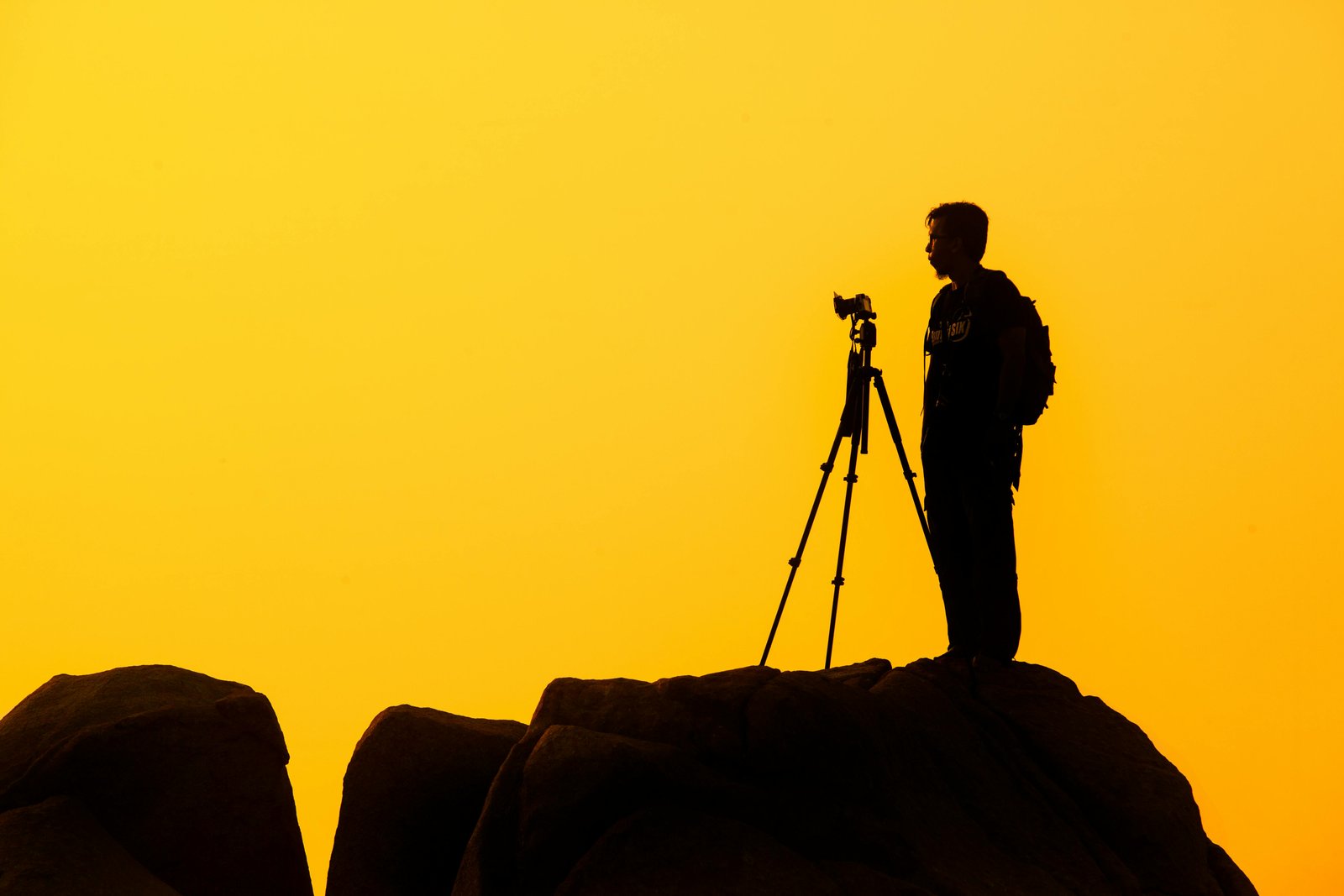
Noise cancellation technology is commonly used in audio devices to reduce or eliminate unwanted sounds such as background noise or interference. This technology works by capturing the sound wave of the unwanted noise and then generating a new sound wave that is the exact opposite, effectively canceling out the unwanted noise. In the realm of audio processing, noise cancellation helps to improve the clarity and quality of sound by isolating the desired audio signals from the surrounding noise. On the other hand, Image processing involves the manipulation of visual data to enhance, analyze, or interpret images. This technology is widely used in fields such as medical imaging, surveillance, and remote sensing. Image processing algorithms can perform tasks such as noise reduction, image enhancement, object recognition, and image segmentation. Interestingly, there are some parallels between noise cancellation in audio processing and noise reduction in image processing. In both cases, the goal is to eliminate unwanted interference or distortion to improve the overall quality of the signal or image. Image processing algorithms can use techniques such as filtering, averaging, and denoising to reduce noise and enhance the visual quality of images. Moreover, noise cancellation and image processing technologies can also be combined to improve the performance of various applications. For example, in the field of digital photography, image processing algorithms can be used to reduce noise in low-light conditions, resulting in clearer and sharper images. Additionally, noise cancellation techniques can be applied to audiovisual content to improve the overall sound and image quality in multimedia applications. In conclusion, noise cancellation and image processing are two powerful technologies that play a crucial role in enhancing the quality of audio and visual data. By understanding the connections between these two technologies, researchers and engineers can continue to innovate and develop new solutions that benefit a wide range of applications.
Leave a Comment:
SEARCH
Recent News
- Zurich, the largest city in Switzerland, is known for its stunning beauty, historic charm, and vibrant culture. From its picturesque old town to its modern architecture, Zurich is a photographer's paradise. Here are some breathtaking Zurich, Switzerland pictures that showcase the city's unique charm.
- Zurich, Switzerland is a beautiful city that offers a plethora of photographic opportunities for both amateur and professional photographers. From stunning architecture to scenic landscapes, Zurich has something to offer for every photography enthusiast.
- Zurich, Switzerland is well-known for its stunning beauty and picturesque landscapes. Many visitors flock to this bustling city to soak in its rich culture and stunning architecture. One aspect of Zurich that often captivates visitors is its vibrant art scene, with many opportunities to engage in various forms of art and creativity.
- YouTube Content Creation and Translation: A Picture-Perfect Approach
- YouTube Content Creation and Translation in Photography
- YouTube Content Creation and Translation in Image Processing
- Creating eye-catching thumbnails for your YouTube channel can be the key to attracting viewers and increasing engagement with your content. Thumbnails are the first thing potential viewers see when browsing through videos, so it's important to make them visually appealing and intriguing. Here are some tips for creating great YouTube channel pictures that will help you stand out and make a strong impression:
- Photography has become more accessible than ever before, thanks to the rise of online platforms like YouTube. There are a plethora of YouTube channels dedicated to photography, catering to all skill levels and interests, making it easier for enthusiasts and professionals to improve their craft.
READ MORE
10 months ago Category :

Zurich, the largest city in Switzerland, is known for its stunning beauty, historic charm, and vibrant culture. From its picturesque old town to its modern architecture, Zurich is a photographer's paradise. Here are some breathtaking Zurich, Switzerland pictures that showcase the city's unique charm.
Read More →10 months ago Category :

Zurich, Switzerland is a beautiful city that offers a plethora of photographic opportunities for both amateur and professional photographers. From stunning architecture to scenic landscapes, Zurich has something to offer for every photography enthusiast.
Read More →10 months ago Category :

Zurich, Switzerland is well-known for its stunning beauty and picturesque landscapes. Many visitors flock to this bustling city to soak in its rich culture and stunning architecture. One aspect of Zurich that often captivates visitors is its vibrant art scene, with many opportunities to engage in various forms of art and creativity.
Read More →10 months ago Category :
