In today's digital age, pictures play a significant role in our daily lives. Whether it's capturing special moments, creating visual content for social media, or even analyzing images for scientific purposes, the process of image processing has become essential.
Category : | Sub Category : Posted on 2025-11-03 22:25:23
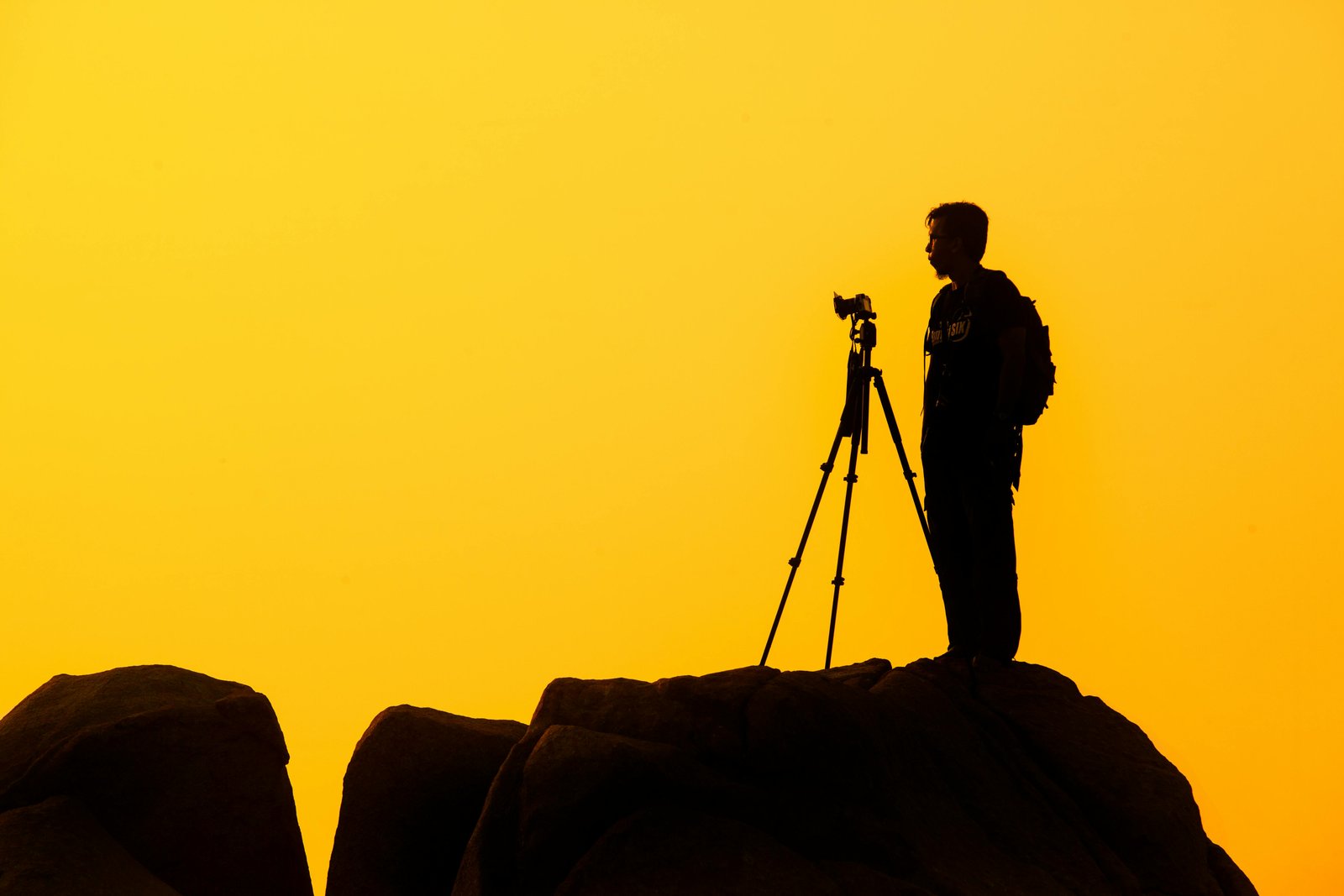
image processing involves manipulating or enhancing digital images to improve their quality or extract useful information from them. This sophisticated technology uses algorithms and computer software to perform various tasks such as image editing, image enhancement, image compression, and image analysis. One common application of image processing is in the field of photography. Photo editing software like Adobe Photoshop allows users to adjust colors, remove imperfections, and enhance the overall quality of their pictures. Professional photographers often rely on image processing techniques to turn a good photo into a great one. In the world of social media, image processing plays a crucial role in creating eye-catching visuals that engage users. Platforms like Instagram offer a range of filters and editing tools that allow users to enhance their photos and stand out in a crowded feed. Image processing has become an integral part of online communication, as visuals have proven to be more attention-grabbing than text alone. Beyond photography and social media, image processing is also used in various other industries and fields. In healthcare, medical imaging technologies like MRI and CT scans rely on image processing algorithms to produce detailed images for diagnosis and treatment planning. In agriculture, satellite imagery is processed to monitor crop health and predict yields. Even in security and surveillance, image processing techniques are used to analyze video footage and identify potential threats. Overall, image processing has revolutionized the way we interact with visual information. From enhancing personal photos to advancing scientific research, the capabilities of image processing are truly endless. As technology continues to evolve, we can expect even more exciting developments in this field, pushing the boundaries of what is possible with digital images.
Leave a Comment:
SEARCH
Recent News
- Zurich, the largest city in Switzerland, is known for its stunning beauty, historic charm, and vibrant culture. From its picturesque old town to its modern architecture, Zurich is a photographer's paradise. Here are some breathtaking Zurich, Switzerland pictures that showcase the city's unique charm.
- Zurich, Switzerland is a beautiful city that offers a plethora of photographic opportunities for both amateur and professional photographers. From stunning architecture to scenic landscapes, Zurich has something to offer for every photography enthusiast.
- Zurich, Switzerland is well-known for its stunning beauty and picturesque landscapes. Many visitors flock to this bustling city to soak in its rich culture and stunning architecture. One aspect of Zurich that often captivates visitors is its vibrant art scene, with many opportunities to engage in various forms of art and creativity.
- YouTube Content Creation and Translation: A Picture-Perfect Approach
- YouTube Content Creation and Translation in Photography
- YouTube Content Creation and Translation in Image Processing
- Creating eye-catching thumbnails for your YouTube channel can be the key to attracting viewers and increasing engagement with your content. Thumbnails are the first thing potential viewers see when browsing through videos, so it's important to make them visually appealing and intriguing. Here are some tips for creating great YouTube channel pictures that will help you stand out and make a strong impression:
- Photography has become more accessible than ever before, thanks to the rise of online platforms like YouTube. There are a plethora of YouTube channels dedicated to photography, catering to all skill levels and interests, making it easier for enthusiasts and professionals to improve their craft.
READ MORE
10 months ago Category :

Zurich, the largest city in Switzerland, is known for its stunning beauty, historic charm, and vibrant culture. From its picturesque old town to its modern architecture, Zurich is a photographer's paradise. Here are some breathtaking Zurich, Switzerland pictures that showcase the city's unique charm.
Read More →10 months ago Category :

Zurich, Switzerland is a beautiful city that offers a plethora of photographic opportunities for both amateur and professional photographers. From stunning architecture to scenic landscapes, Zurich has something to offer for every photography enthusiast.
Read More →10 months ago Category :

Zurich, Switzerland is well-known for its stunning beauty and picturesque landscapes. Many visitors flock to this bustling city to soak in its rich culture and stunning architecture. One aspect of Zurich that often captivates visitors is its vibrant art scene, with many opportunities to engage in various forms of art and creativity.
Read More →10 months ago Category :
